August 6, 2026
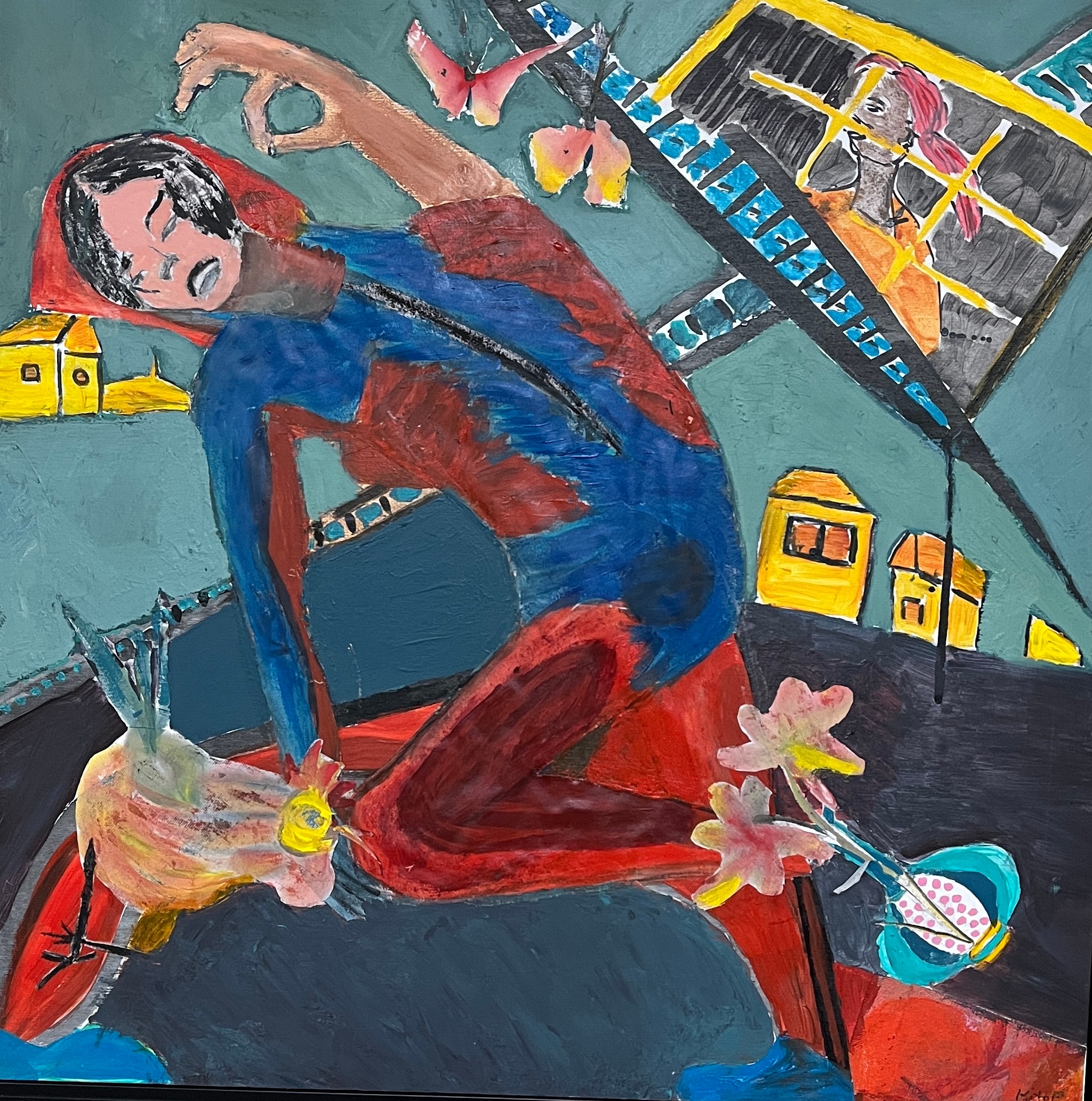
My Love Affair With Matisse and the Fauvists
Someone, maybe it was fiber artist Merrill Comeau, who mentored me about creating narrative art, told me that I should study the Fauvists because my work reminded her of them. At the time, not that long ago, I knew little about the Fauvists. I discovered that the term was used as an insult in the early 20th century by critic Louis Vauxcelles in reference to a group of artists including Henri Matisse, Andre Derain, Vlaminck and others who participated in the exhibit called Salon d'Automne in 1905 in Paris.
Why did Vauxcelles use the term Fauvist or Les Fauves in reference to this group? He likely saw those artists' work as being totally undisciplined, like "the wild beasts," which is what "fauves" means in French. But those artists embraced the designation and ran with it.
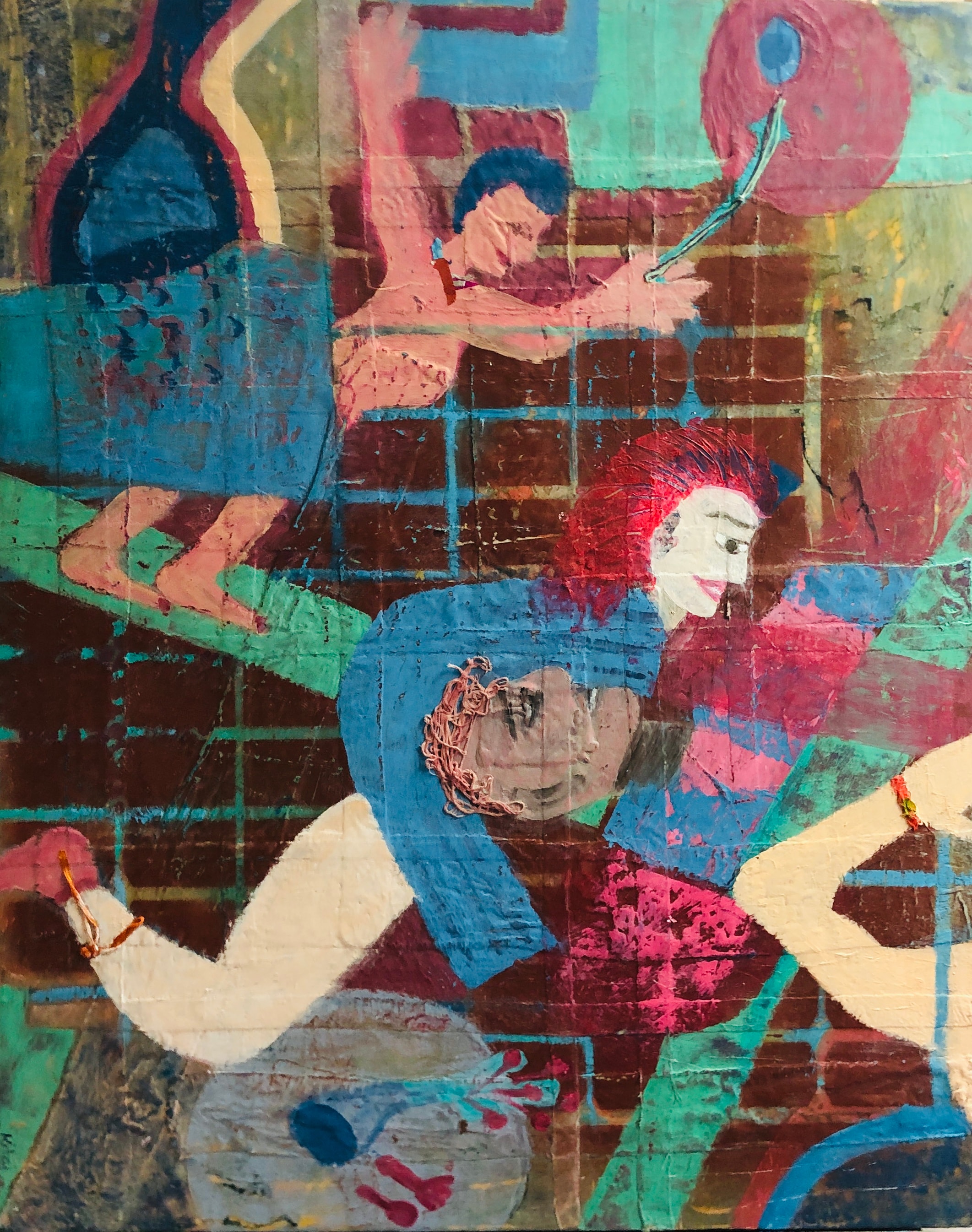
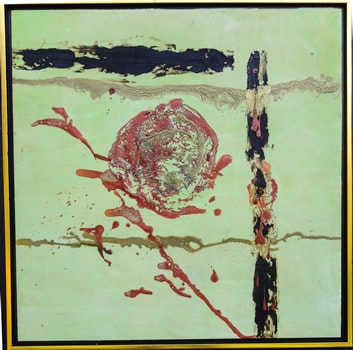
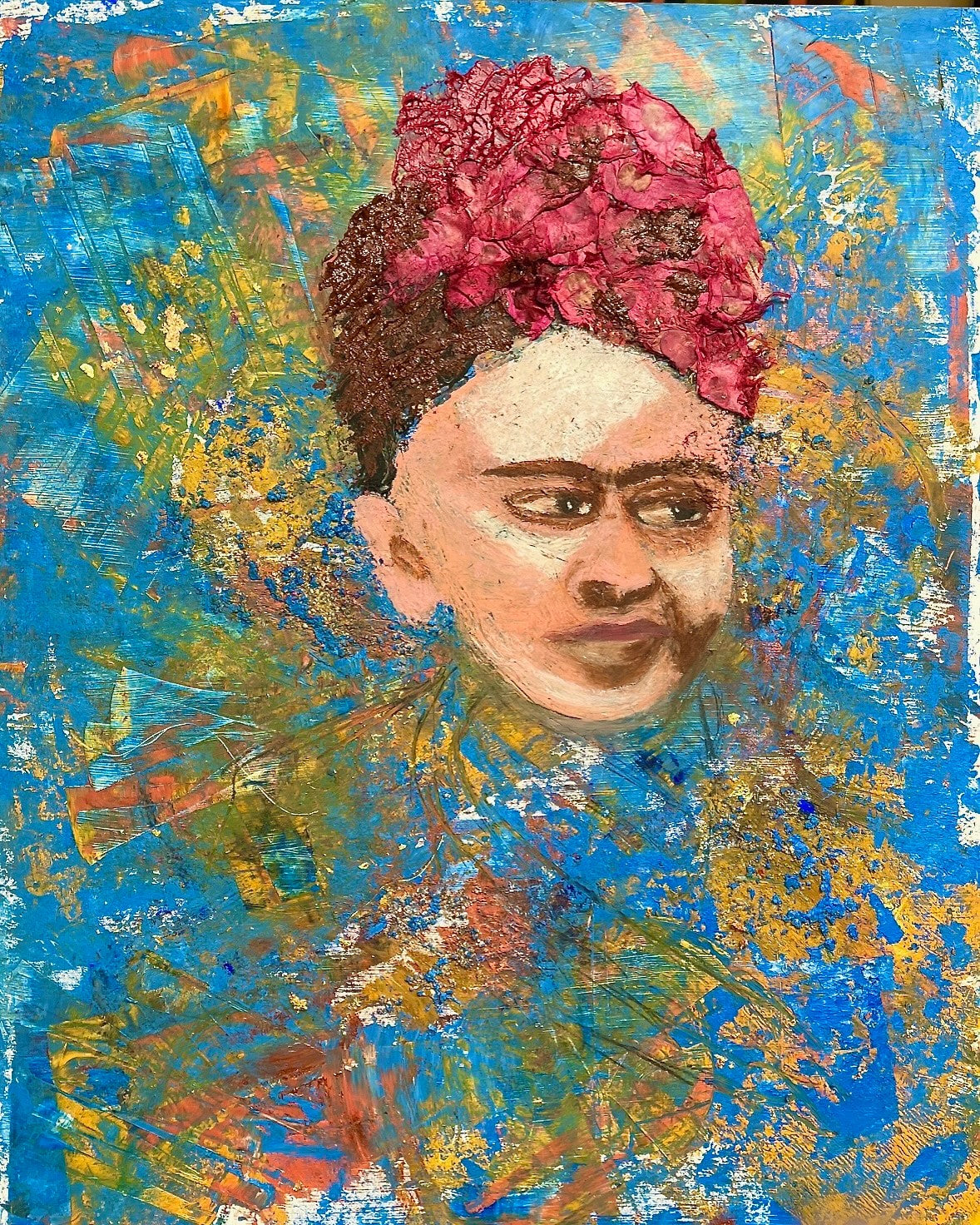
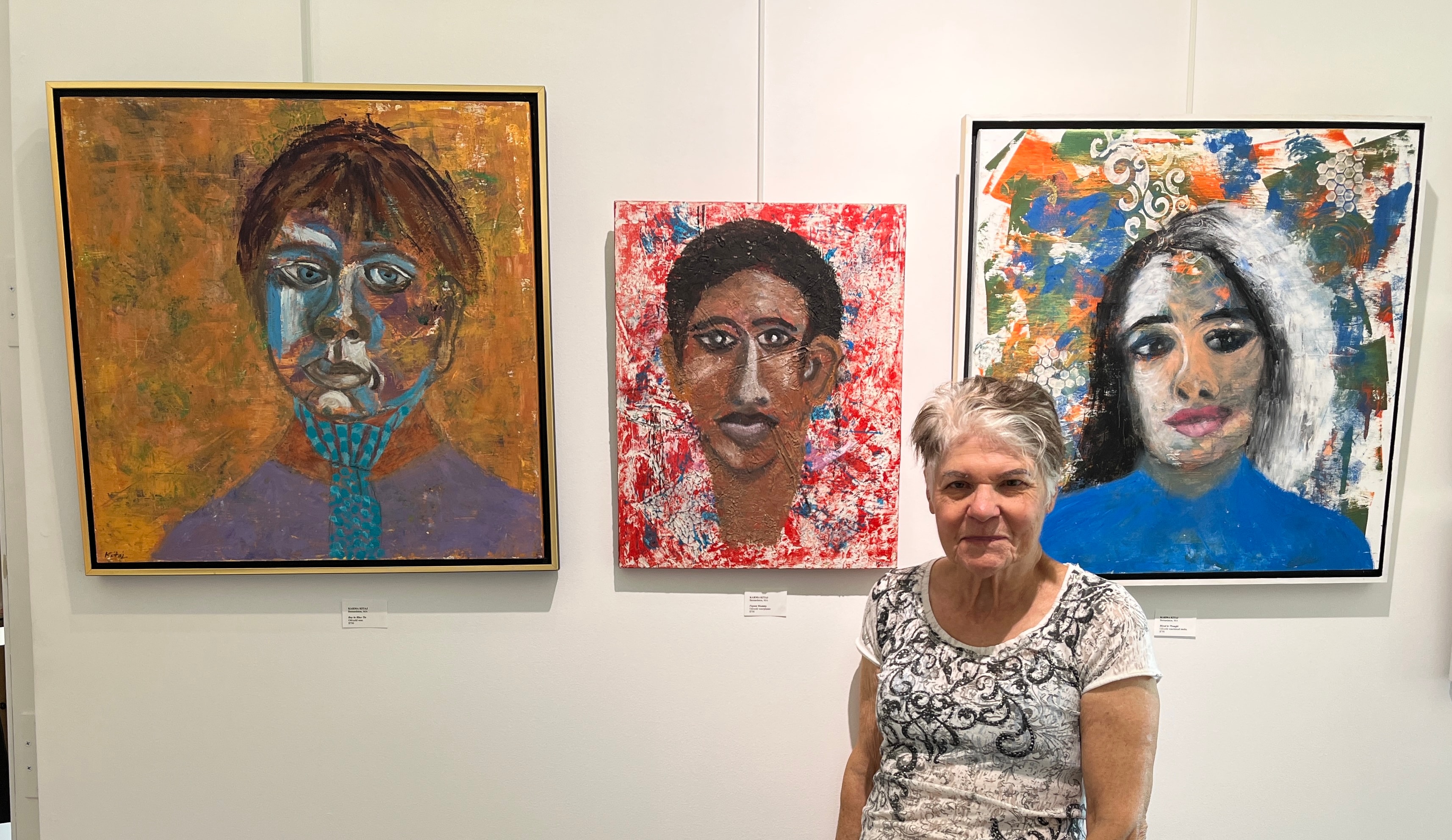
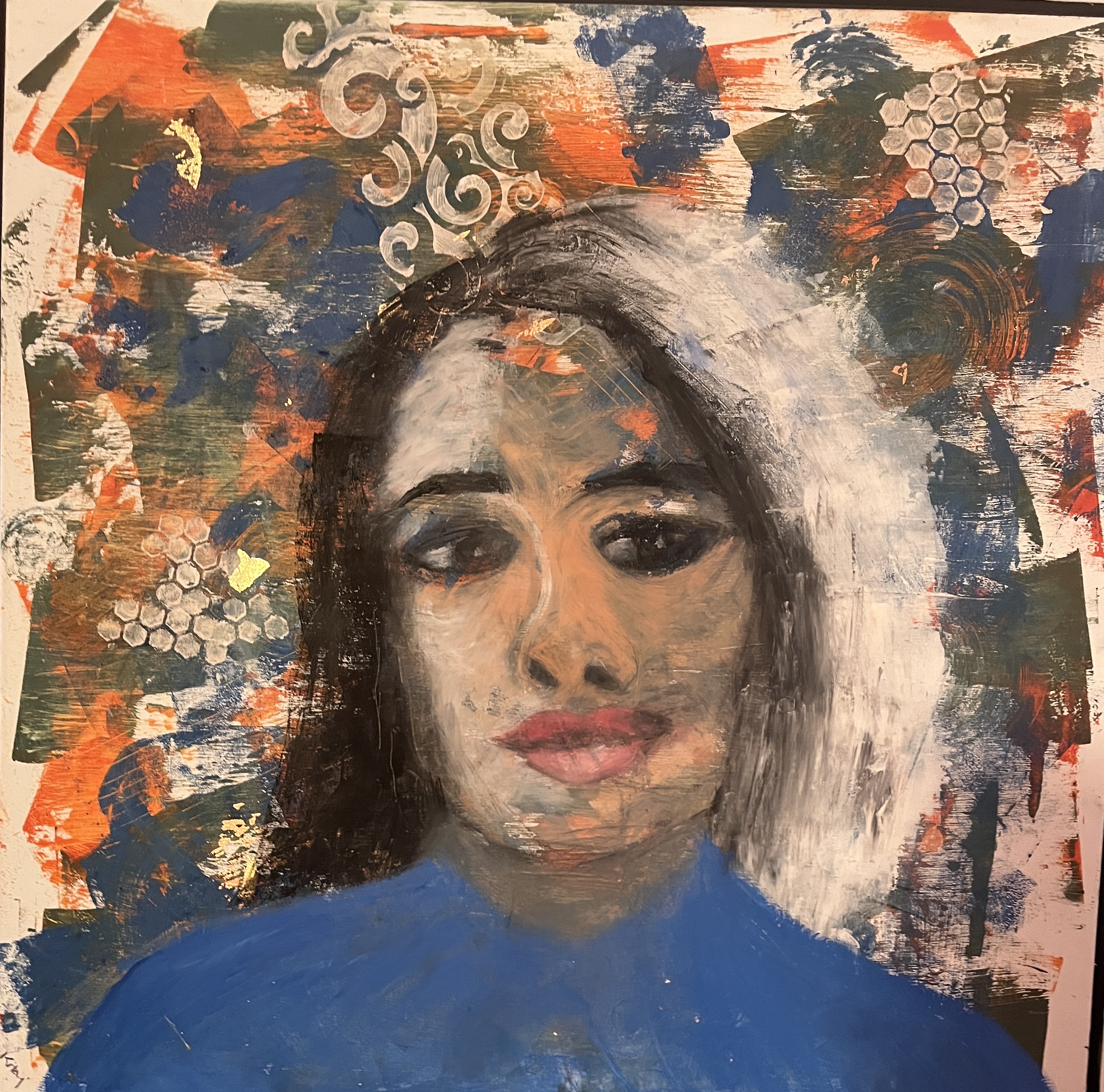
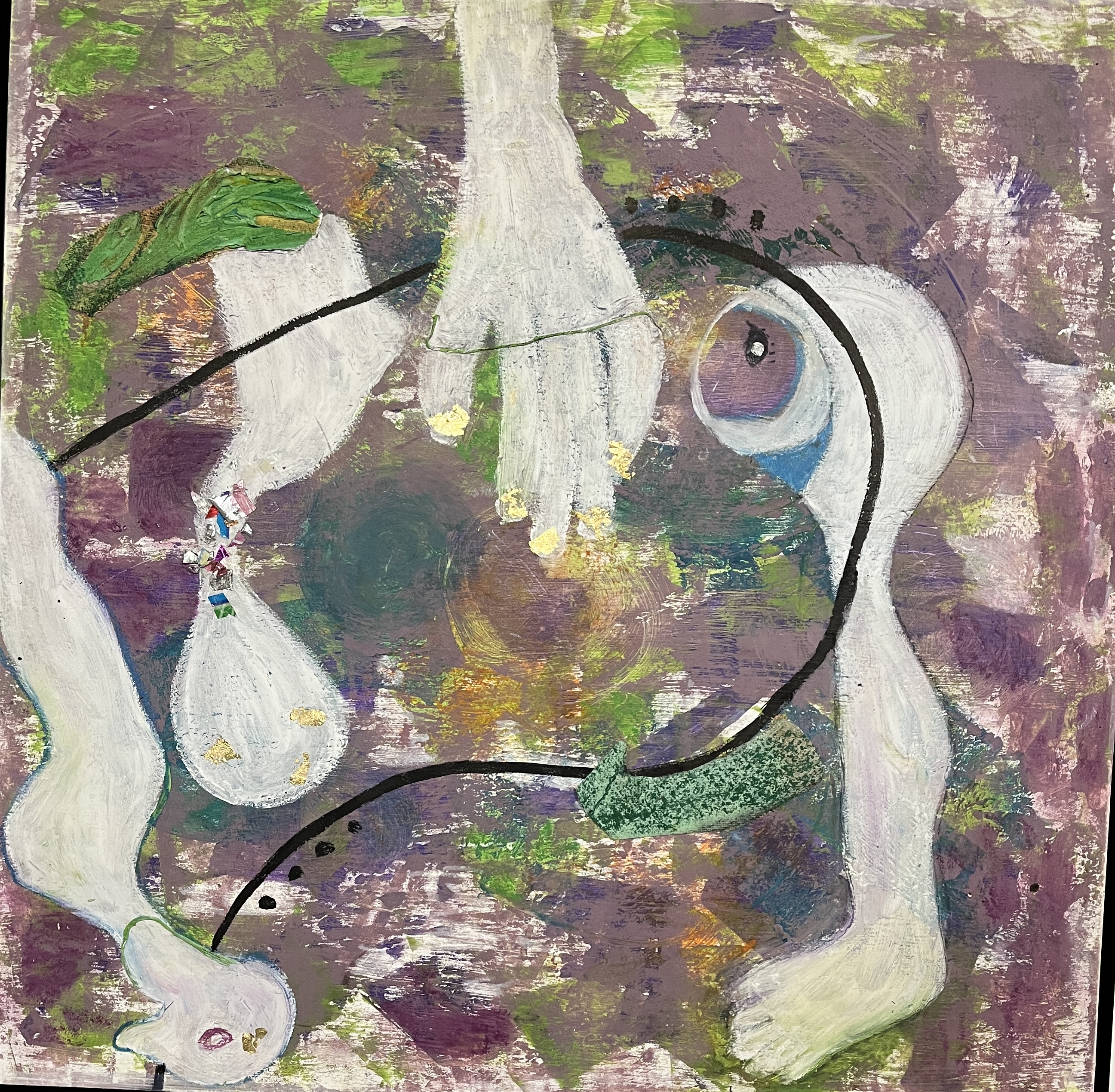
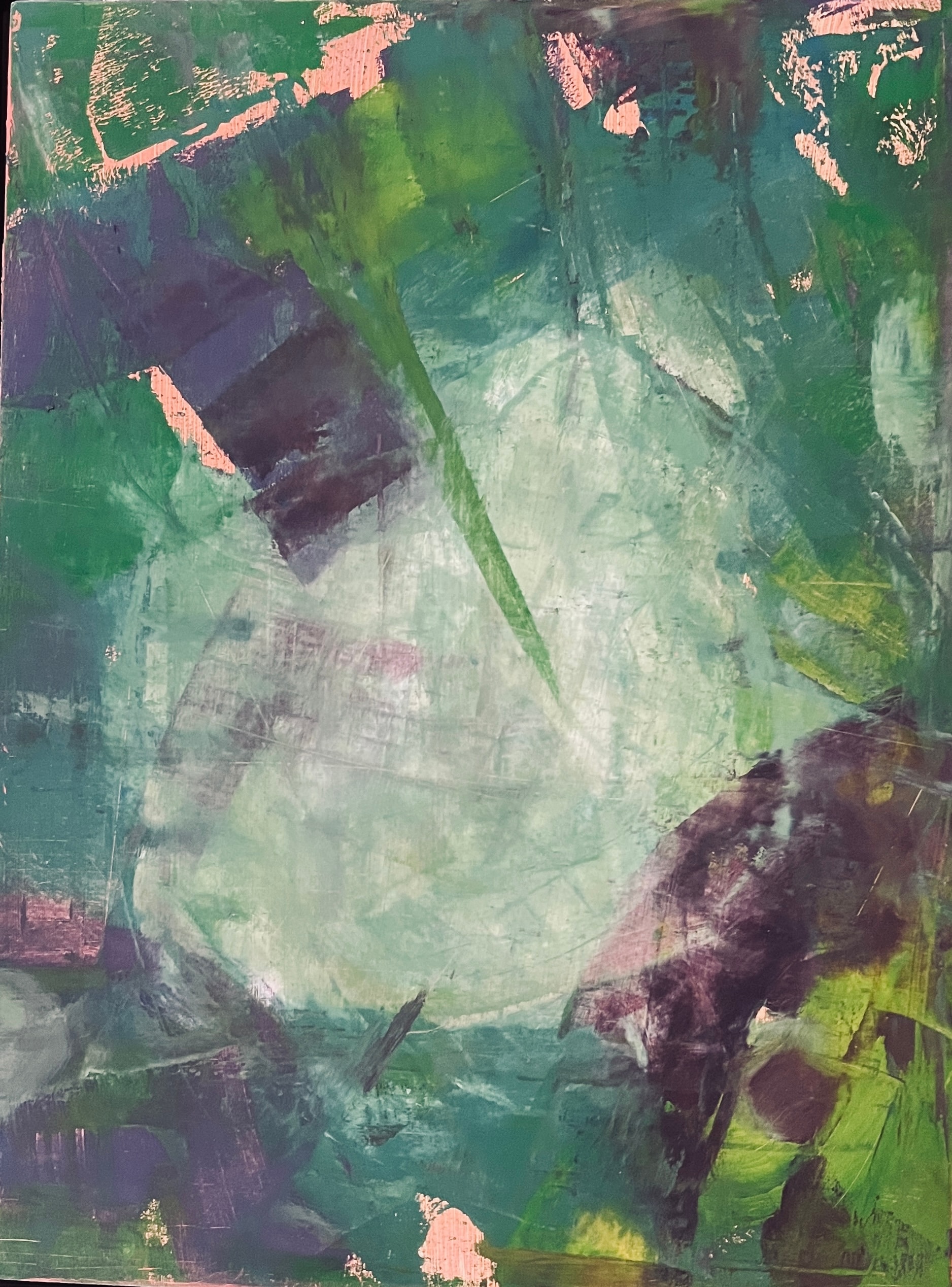
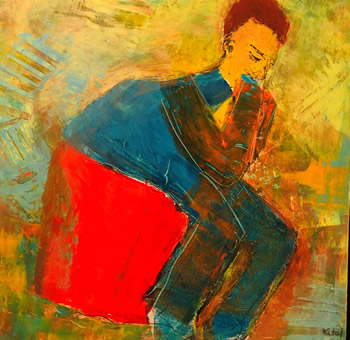
I'd always considered Matisse to be a historical mentor to me. I gloried in the vibrant colors, which represented nothing like the naturalistic ones that previous generations of artists so diligently tried to create. Those artists mimicked what they saw in nature or in the rich people seated before them, waiting for their portraits to be painted. I also enjoy ignoring realistic perspective. I like the idea of being able to see the top of a table and what's on it without hanging from the ceiling. I like bold expressive colors, visible sometimes staccato brush strokes; I like some white space from the canvas to be visible. Now I know I'm a post-Fauvist.
So I was drawn to an article that the artist Caroline Mustard published in her weekly column called "The Joy of Drawing," found on Substack. She posted the famous painting of Matisse's called "Femme au Chapeau" or Woman with Hat. She commented on the scandal that Matisse and other Les Fauves caused with their wild untamed paintings.
Wild though that painting was, certain wealthy collectors (Leon and Gertrude Stein) decided it was a good investment. They recognized a good deal, to buy a painting that was a harbinger of art to come.
Mustard points to the importance of paintings Matisse and Derain painted while in the South of France in Collioure. The palette was so unusual and unrealistic, it prompted others to explore that fantastic use of color. The Fauvists' intention was to depict sensations and emotions, rather than external reality. But, rather than being undisciplined and wild, Matisse himself was very disciplined. None of those unusual colors was used willy-nilly. Referring to Matisse's discussion much later in the 1940s, Mustard explains, he "selected a palette... that he worked from deliberately, often omitting one of the primary colors, yet creating the impression that the omitted color is there by the way he sets other colors off against each other."
This discussion that Mustard included in her weekly column has driven me to think more about how I select my colors, about what I'm expressing with my palette. How disciplined is it? Do my colors play off one another, as Hans Hofmann taught? Do I even care if it's a disciplined approach?
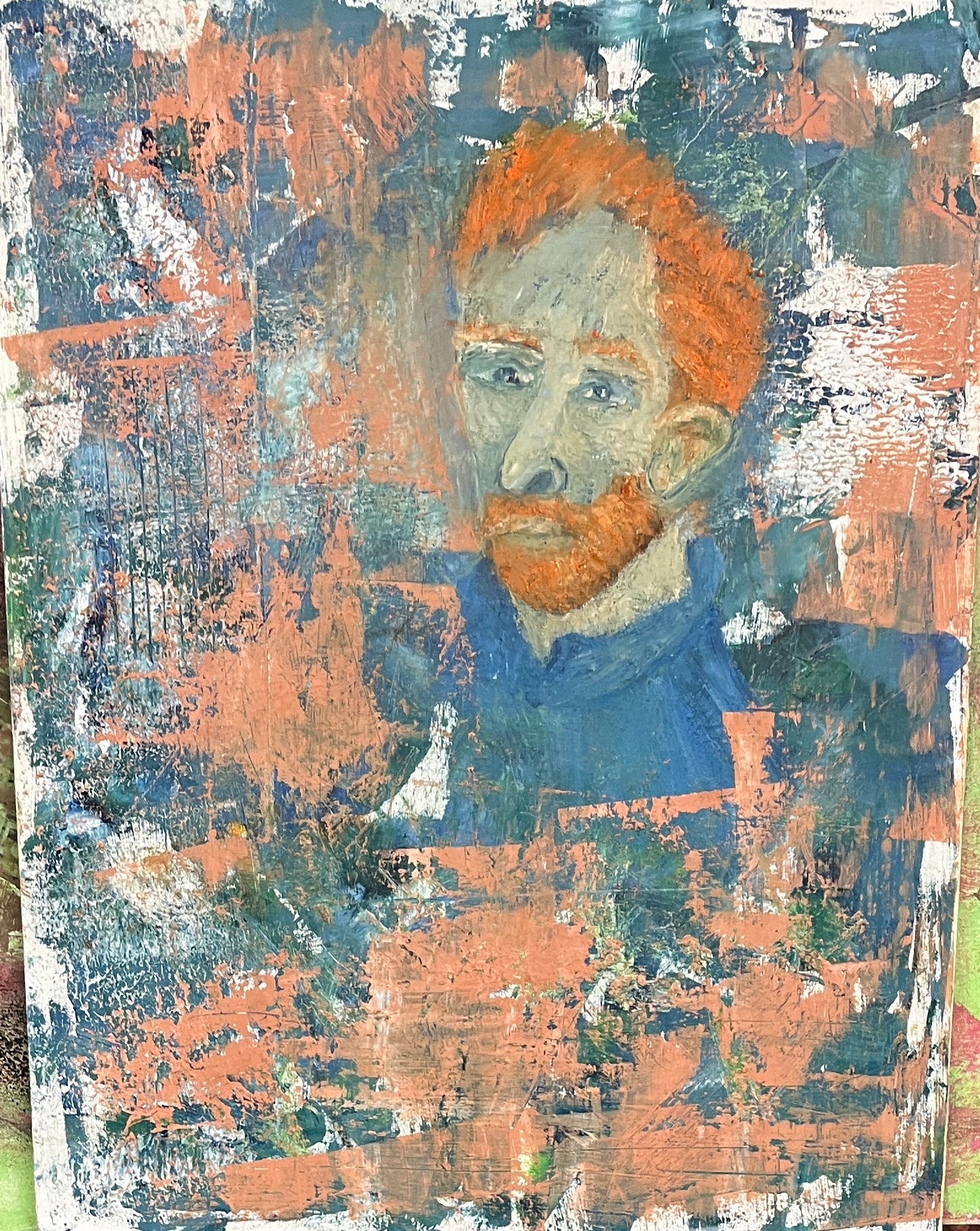
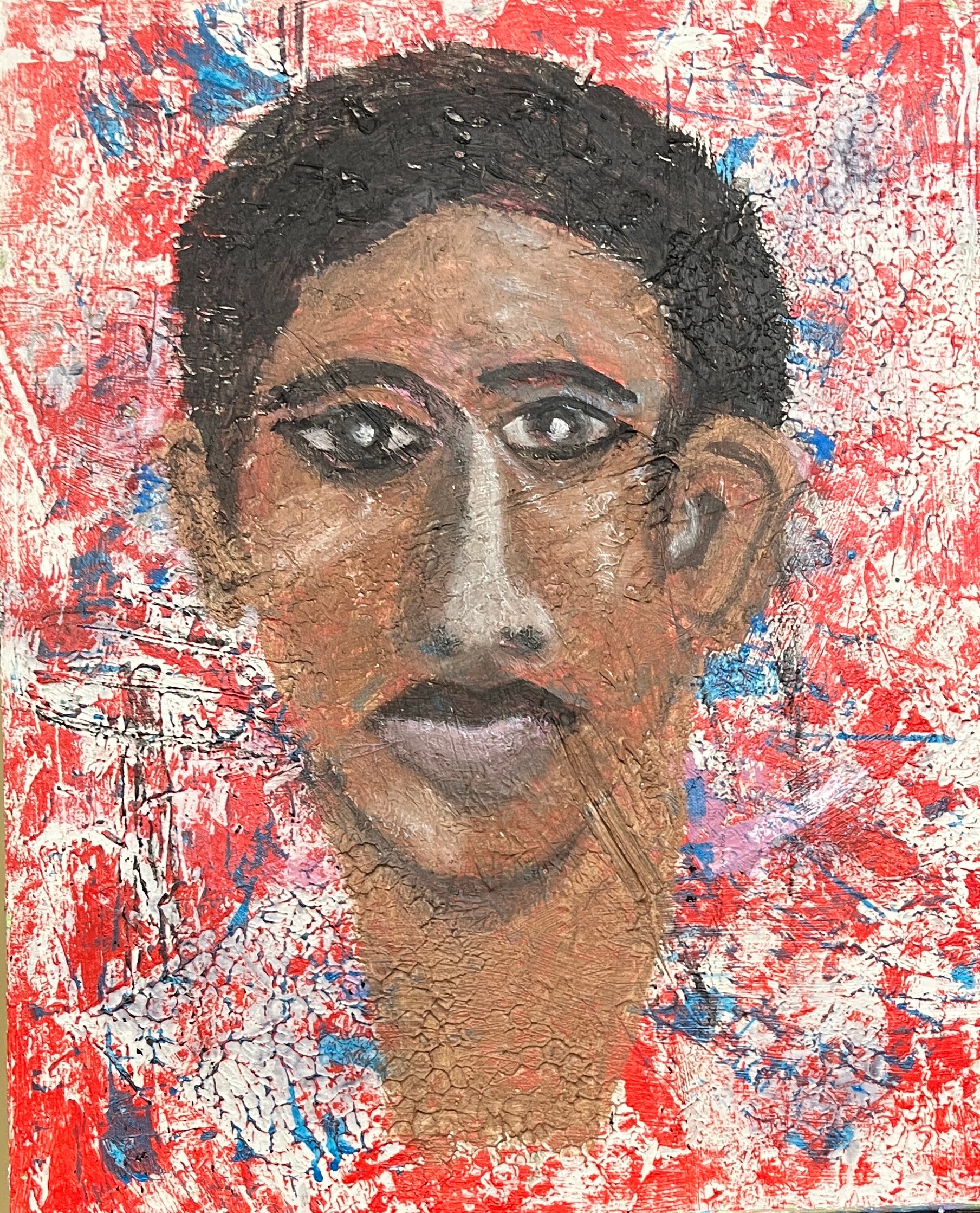
People always comment on the brilliant color combinations in my work. When I'm in my studio space, which has my paintings displayed on all the walls, I often gaze around with interest and even fascination. Unlike many artists' reports, I probably enjoy my own art more than a lot of viewers who prefer something traditional that reminds them of the familiar or a place they'd like to visit.
I'm curious to what extent Matisse and his Fauvist colleagues felt the same way. Or were they apprehensive that maybe their work would not be acceptable to the typical gallery-goer? Having never relied upon nor coveted validation, I can only turn to my own perceptions to drive my work.
Thank you, Caroline Mustard, for prompting me to muse on this topic.